Physical Education · Ch 2 — Children and Women in Sports
Low Bone Mineral Density
Low Bone Mineral Density
Low Bone Mineral Density
Low bone mineral density — previously called osteoporosis — is a disease marked by increased bone fragility and a disturbed bone structure, including a low bone mineral density (BMD) that can lead to fractures, pain, deformity and disability. In female athletes it is generally caused by an improper diet together with amenorrhoea: with low levels of oestrogen and progesterone, the bones grow weaker and lose minerals.
The effects of low BMD include more frequent injury, stress fractures, and a higher risk of early osteoporosis after menopause. Bone is deposited most rapidly during childhood and adolescence and reaches its peak in the 20s and 30s, so the years of youth are critical for building strong bones. BMD also has a large inherited component, with heritability estimated at 50–85%; knowing the family history and any related medical conditions therefore helps keep a female athlete safe, and the intensity, volume, frequency and type of her activity should take her genetic profile into account.
Treating the triad …
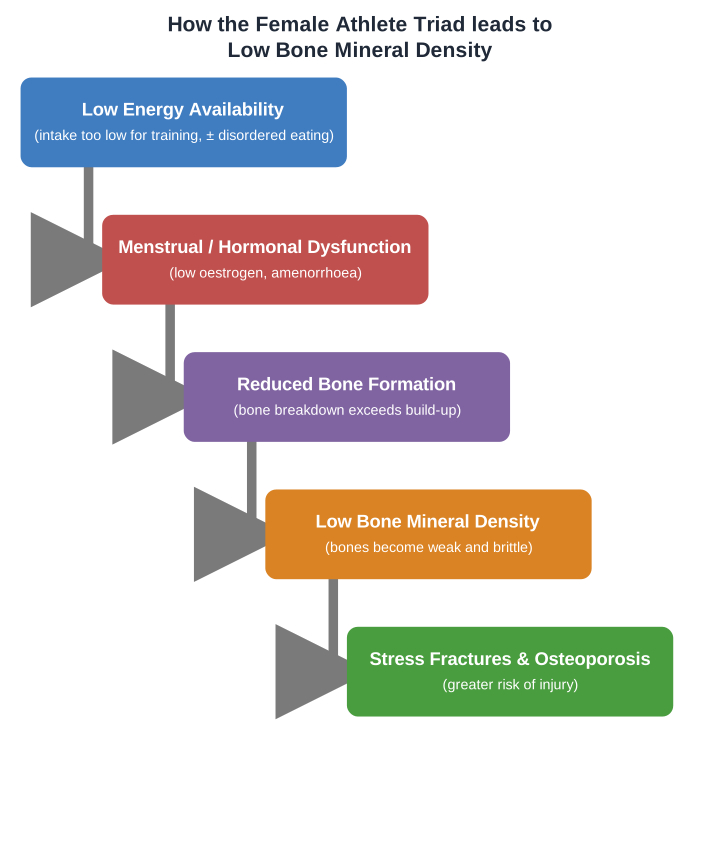
Drawn by us to help you understand the concept clearly, and verified to make sure it's accurate. For exams, practice from your NCERT textbook's own diagram.
A five-stage downward cascade showing the causal chain of the Female Athlete Triad: Low Energy Availability (with or without disordered eating) leads to menstrual/hormonal dysfunction (low oestrogen, amenorrhoea), which reduces bone formation, producing low bone mineral density and, ultimately, …