Physical Education · Ch 9 — Psychology and Sports
Application of Psychology in Physical Education and Sports
Application of Psychology in Physical Education and Sports
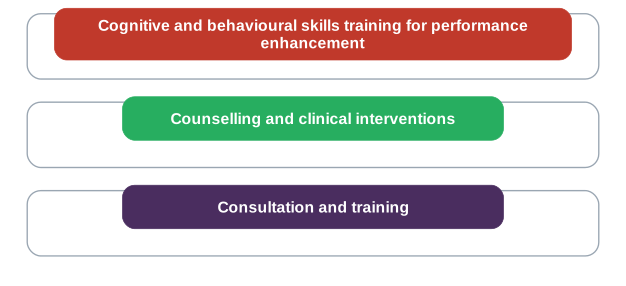
Once we know what sports psychology is, the next question for CBSE Class 11 Physical Education is a practical one: where is it actually used? Many strategies and procedures are used to deal with the problems that athletes and other participants face. These applications fall into three broad areas.
Drawn by us to help you understand the concept clearly, and verified to make sure it's accurate. For exams, practice from your textbook's own diagram.
Three stacked labelled bars, one for each area in which psychology is applied in physical education and sport: 'Cognitive and behavioural skills training for performance enhancement', 'Counselling and clinical interventions', and 'Consultation and training'. The figure simply names and separates the …
1. Cognitive and behavioural skills training for performance enhancement
This is the direct work of making an athlete perform better by training the mind. It includes:
- concentration and attention-control strategies;
- goal setting;
- imagery training (mentally rehearsing a skill or situation);
- cognitive-behavioural self-regulation techniques for managing one's own thoughts and responses.
2. Counselling and clinical interventions
This area offers support for the personal and clinical difficulties that can affect an athlete, including help with:
- athletic motivation;
- over-training and burnout;
- eating disorders and weight management;
- substance abuse;
- grief, depression, loss and suicide;
- sexual-identity issues;
- aggression and violence;
- athletic injury and rehabilitation;
- career transitions and identity crises.
3. Consultation and training
This area works with teams, families and professionals rather than only the individual athlete. It includes:
- team-building programmes for sports teams and organisations;
- consultations with sports organisations on behaviour economics;
- systems interventions with the parents and families involved in youth sport;
- educating physical educators, coaches and trainers about the role of interpersonal and leadership skills in developing talent; …