Physical Education · Ch 2 — Children and Women in Sports
Menstrual Dysfunction
Menstrual Dysfunction
Menstrual Dysfunction
Menstrual dysfunction is any abnormal condition in a woman's menstrual cycle. The normal length of a cycle is 21 to 35 days; if a period comes sooner than 21 days or later than 35 days, it is treated as a problem. Other signs of dysfunction include missing three or more periods, a flow that is much heavier or lighter than usual, a cycle lasting longer than seven days, pain, cramping or vomiting during the period, and any bleeding after menopause.
Abnormal cycles can be caused by being overweight, stress, a dietary disorder, disease, a sudden change in the exercise schedule, travel and other medical complications.
There are several distinct types of menstrual disorder:
- Pre-menstrual Syndrome (PMS). Unpleasant symptoms during the cycle — depression, anxiety, irritation, headache, fainting, vertigo, infection and the like — that may last from a few hours to a few days. They can often be eased by moderate exercise, a balanced diet, and good sleep and rest.
- Amenorrhea. Missed periods, or the absence of a normal monthly cycle. It has two forms:
- Primary amenorrhea — the menstrual cycle does not begin at puberty at all.
- Secondary amenorrhea — menstruation stops for three months or more; this is the most common form.
- Dysmenorrhea. Menstruation with severe pain or frequent cramps; symptoms include cramping in the lower abdomen, low back pain, pain in the legs, nausea, fatigue and weakness.
- Menorrhagia. Heavy, long-lasting or continuous menstrual bleeding.
- Polymenorrhea. A menstrual cycle that is shorter than 21 days (frequent menstruation).
- Oligomenorrhea. Infrequent menstruation — strictly, periods occurring at intervals of more than 35 days.
- Metrorrhagia. Missed, delayed or erratic periods, or abnormal bleeding patterns.
- Postmenopausal bleeding. Bleeding that occurs one year after menopause, or after a woman has stopped having menstrual cycles because of menopause. …
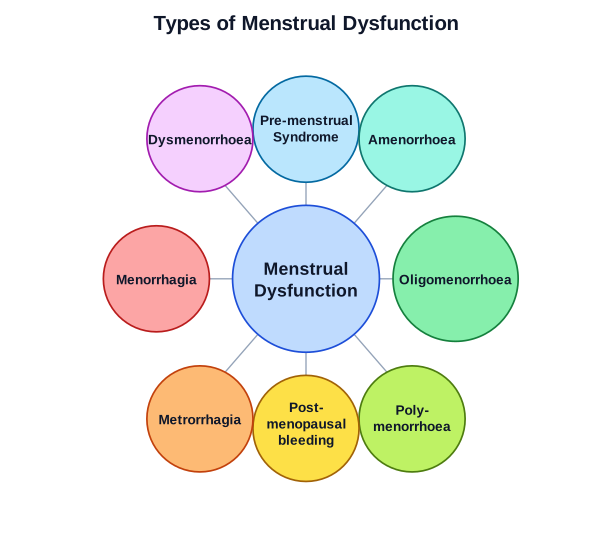
Drawn by us to help you understand the concept clearly, and verified to make sure it's accurate. For exams, practice from your NCERT textbook's own diagram.
A flower/petal cluster diagram. A central blue circle reads 'Menstrual Dysfunction'. Eight coloured petals around it name the eight disorder types: Pre Menstrual Syndrome, Amenorrhea, Oligomenorrhea, Polymenorrhea, Postmenopausal bleeding, …