Q.What is biogeochemical cycle? With the help of a labelled diagram explain Phosphorus cycle. (2+3) OR Describe any three causes of extinction of biodiversity with suitable example. Mention symptoms of two diseases caused due to Arsenic pollution in human. (3+2)
You're viewing a preview — the full solution, concept, methods & PYQ mapping are locked.
Start your 14-day free trial to unlock the full solution →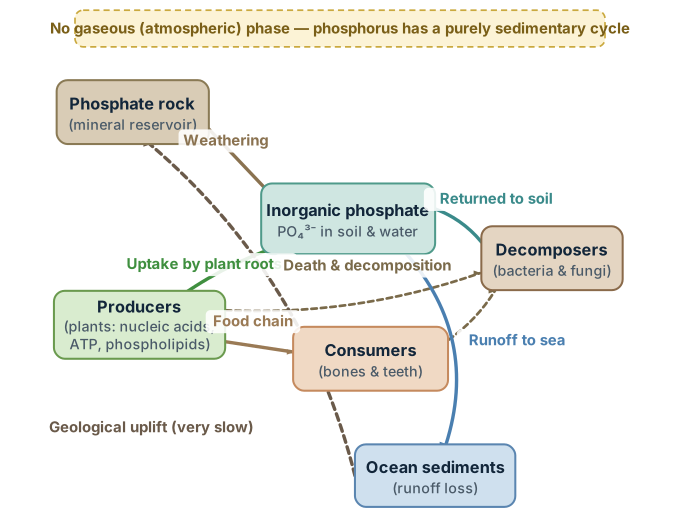
A biogeochemical cycle circulates a nutrient between the biotic and abiotic worlds; the phosphorus cycle is a sedimentary cycle moving phosphate from rock through soil, organisms, and back.
Biogeochemical cycle: The continuous, cyclic exchange/movement of nutrients and elements (such as carbon, nitrogen, phosphorus, and water) between the living (biotic) components of an ecosystem and its non-living (abiotic) environment (atmosphere, soil, water, rocks). These cycles ensure that essential elements, present in a fixed, finite quantity in the biosphere, keep circulating and remain continuously available to living organisms rather than being permanently locked away.
Phosphorus cycle (labelled description, as a diagram cannot be rendered here):
- Reservoir: The main reservoir of phosphorus is rock (phosphate-containing minerals in the Earth's crust), unlike carbon/nitrogen which have large atmospheric reservoirs — phosphorus has no significant gaseous phase, making this a sedimentary cycle.
- Weathering: Natural weathering of rocks slowly releases inorganic phosphate (PO4³⁻) into the soil.
- Plant uptake: Plants absorb phosphate from the soil through their roots and incorporate it into organic molecules — nucleic acids (DNA/RNA), ATP, and phospholipids.
- Food chain transfer: Animals obtain phosphorus by consuming plants (or other animals), incorporating it into their own bones, teeth, and biomolecules. …
Unlock everything free for 14 days
- Full step-by-step solutions
- Concept-first explanations
- Methods, shortcuts & mistakes
- PYQ mapping + timed mock tests
Full access for 14 days. No credit card required.