Biology · Ch 2 — Reproduction in Lower and Higher Animals
Permanent Methods
Permanent Methods
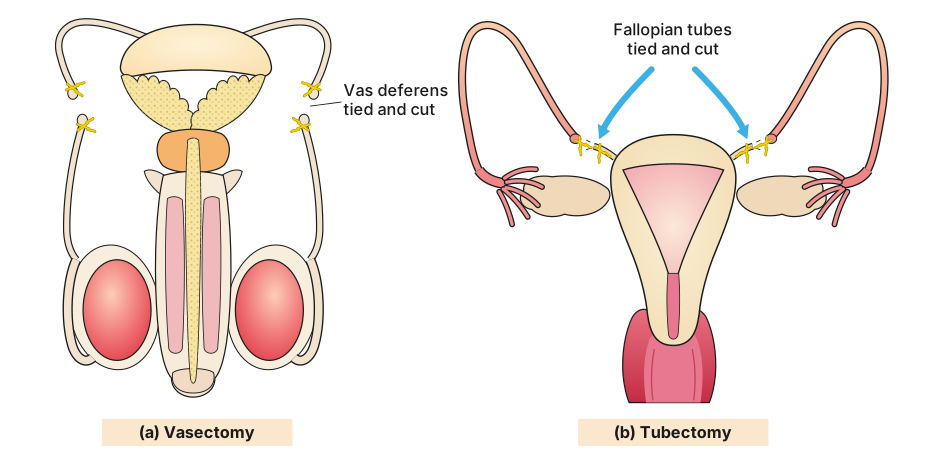
b. Permanent Method : The permanent birth-control methods are vasectomy in men and tubectomy in women; both are surgical methods, also called sterilisation, and unlike temporary methods they are not intended to be reversed. In vasectomy, a small part of each vas deferens — the duct that normally carries sperm from the epididymis onward towards the urethra — is tied and cut, so sperm can no longer reach the ejaculate even though the testis continues producing them. In tubectomy, a small part of each fallopian tube is tied and cut, so the ovulated egg can no longer travel down to meet sperm, and sperm arriving from the male partner cannot reach the egg either. In both procedures, it is this blocking of gamete transport that prevents ferti …
Drawn by us to help you understand the concept clearly, and verified to make sure it's accurate. For exams, practice from your textbook's own diagram.
What this figure shows. The two surgical sterilisation methods of the textbook's Fig. 2.22: A, vasectomy, in which a small part of each vas deferens is tied and cut, and B, tubectomy, in which a small part of each fallopian tube is tied and cut, so that gamet …