Biology · Ch 10 — Human Health and Diseases
Ascariasis
Ascariasis
C. Ascariasis : Ascariasis is an infectious disease of the human intestinal tract caused by the endoparasitic roundworm (nematode) Ascaris lumbricoides.
Signs and symptoms: Gastro-intestinal discomfort with vomiting and fever; live worms may be visible in the faecal matter; in some patients the migrating larvae cause pulmonary disorders such as pneumonitis (inflammation of the alveolar wall); loss of appetite and weight loss; and eosinophilia (a raised eosinophil count, typical of a parasitic worm infection).
Mode of transmission: Mainly through food and drink contaminated with the worm's eggs. Once swallowed, the eggs hatch inside the intestine, and the released larvae migrate through several organs of the body before settling as adults back in the digestive system.
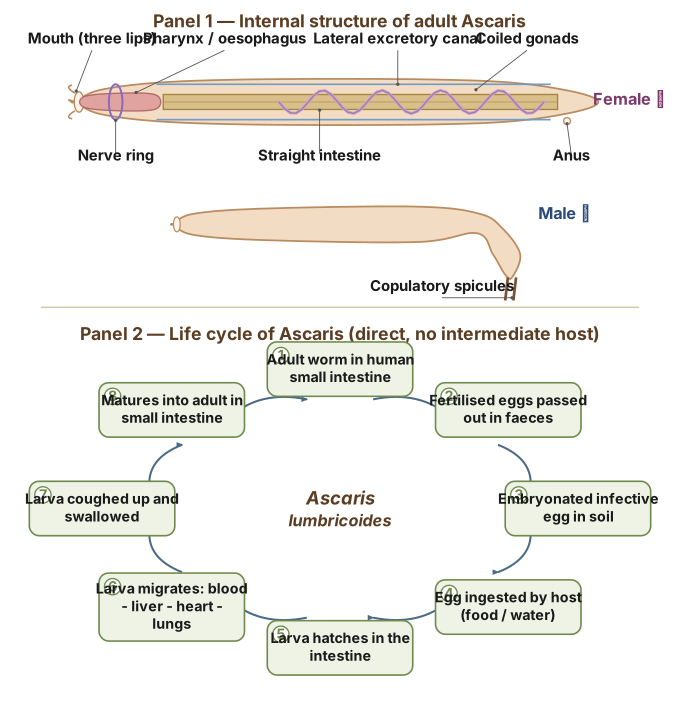
Drawn by us to help you understand the concept clearly, and verified to make sure it's accurate. For exams, practice from your textbook's own diagram.
What this figure shows. A cyclic diagram showing adult Ascaris worms living in the small intestine of an infected person, from which fertilised eggs pass out with the faeces onto the soil; within these eggs, in the soil, an infective larva develops. The diagram then traces how these eggs are picked up again on contaminated food and swallowed by a new host, hatching in the intestine; the released larvae are shown penetrating the intestinal wall into the blood, being carried through the heart and into the lungs, then migrating up the trachea and pharynx, down the oesophagus, and back into the intestine, where they mature into adult worms — illustrating the worm's characteristic body-organ migration route before it settles permanently in the intestine.
10.7: Life Cycle of Ascaris lumbricoides. …
Diagnosis and treatment: Diagnosed by microscopic stool examination; treated with anti-helminthic drugs such as Piperazine, Mebendazole, Levamisole and Pyrantel. …