Q.Explain the pathogenicity of Entamoeba histolytica in the human body.
You're viewing a preview — the full solution, concept, methods & PYQ mapping are locked.
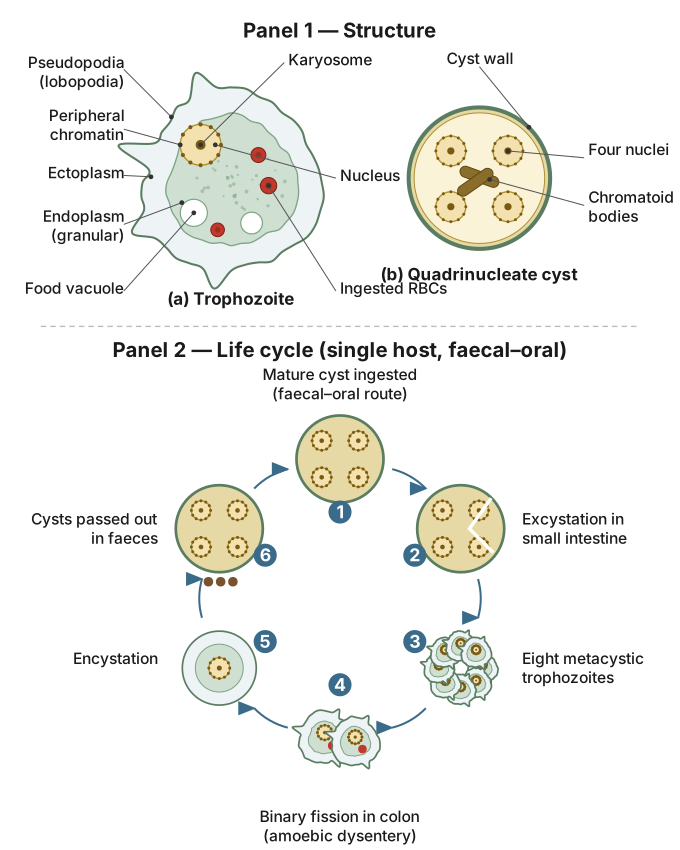
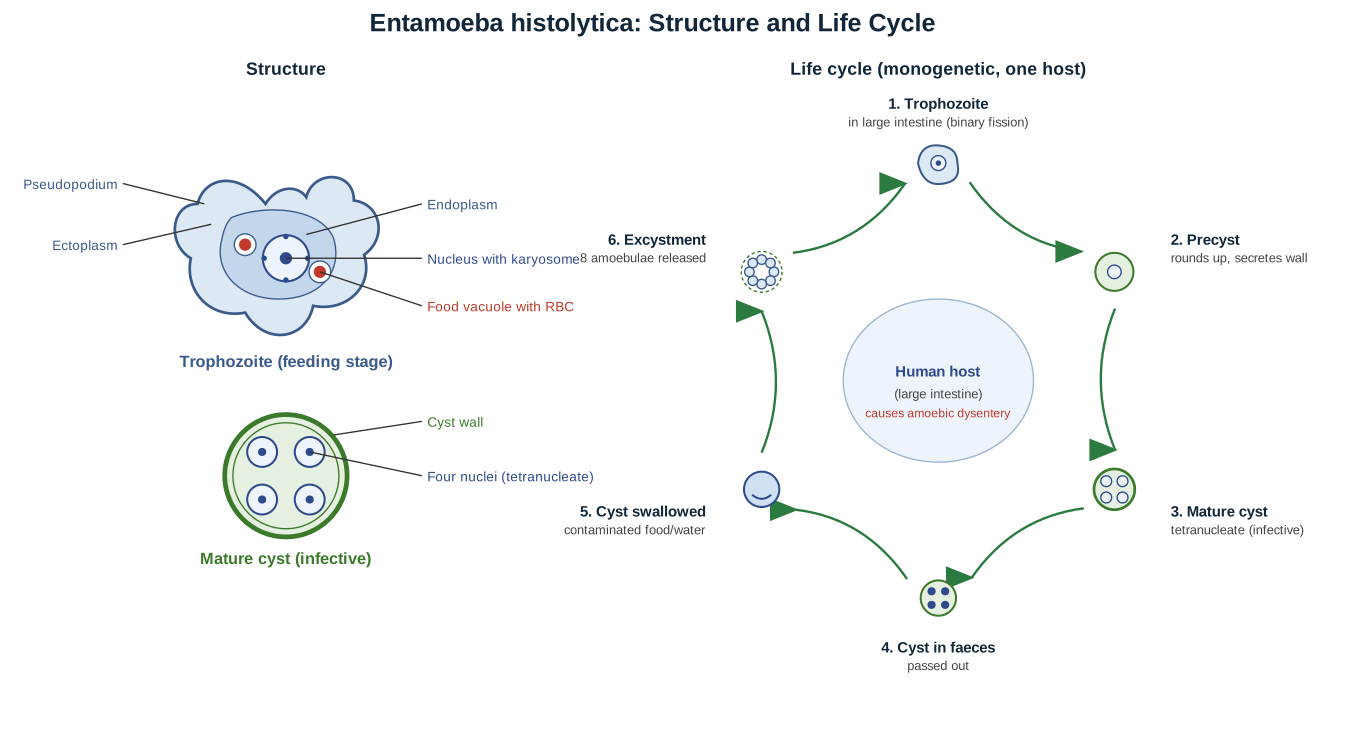
Start your 14-day free trial to unlock the full solution →Entamoeba histolytica does not always cause disease; its pathogenicity depends on whether the trophozoites remain confined to the gut lumen or turn tissue-invasive. In most infected individuals, trophozoites live as harmless commensals within the lumen of the large intestine, feeding on bacteria and cell debris without damaging host tissue — this state, called primary or luminal amoebiasis, produces no symptoms, though the person continues to shed infective cysts in their stool as an asymptomatic carrier. Under certain conditions — such as reduced host resistance, gut mucosal injury, or infection with a more virulent strain — the trophozoites become actively invasive. They secrete proteolytic (protein- and tissue-dissolving) enzymes that allow them to bore into and ulcerate the intestinal mucosa, producing characteristic flask-shaped ulcers in the gut wall. This invasive phase, secondary or invasive amoebiasis, produces the clinical picture of amoebic dysentery: abdominal cramps and pain, and loose stools containing blood and mucus. In more severe cases, invasive trophozoites can …
Unlock everything free for 14 days
- Full step-by-step solutions
- Concept-first explanations
- Methods, shortcuts & mistakes
- PYQ mapping + timed mock tests
Full access for 14 days. No credit card required.