Q.What is amoebic dysentery? Describe its symptoms and laboratory diagnosis.
You're viewing a preview — the full solution, concept, methods & PYQ mapping are locked.
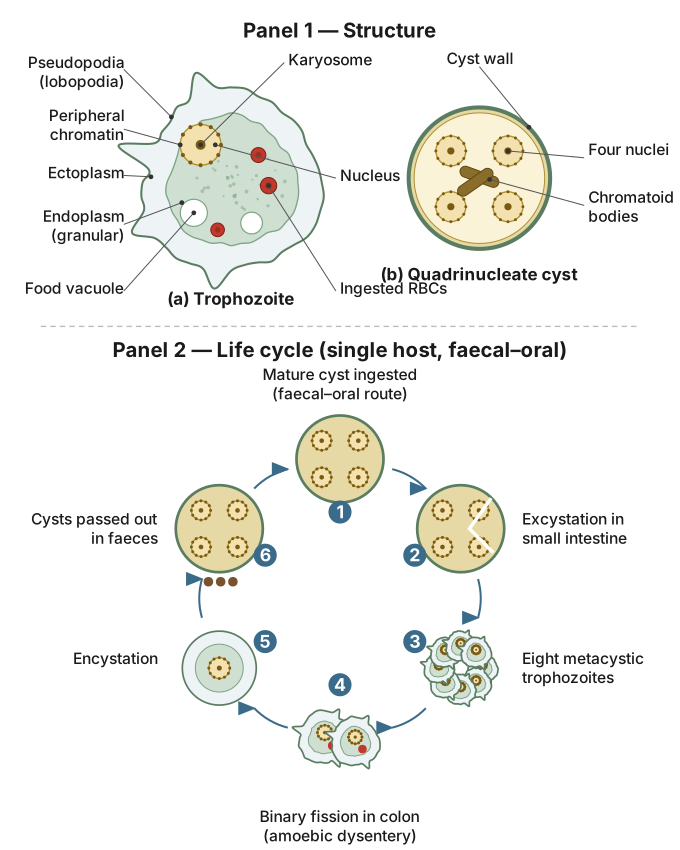
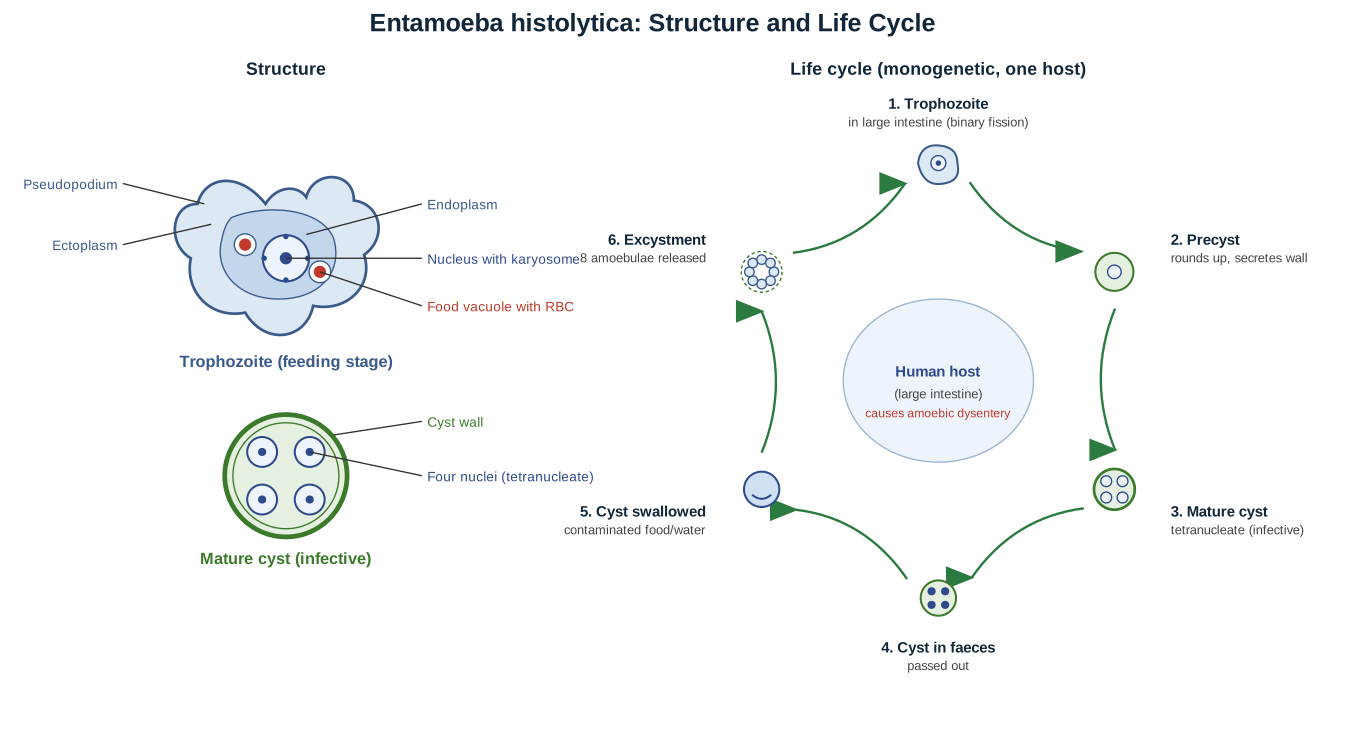
Start your 14-day free trial to unlock the full solution →Amoebic dysentery is the clinical disease produced when Entamoeba histolytica trophozoites turn invasive and ulcerate the lining of the large intestine. Its symptoms include recurrent abdominal pain and cramping, along with frequent, loose or watery stools that characteristically contain visible mucus and streaks of blood, reflecting the underlying mucosal ulceration and tissue damage. The disease is confirmed in the laboratory through direct microscopic examination of a fresh stool sample: in a loose or watery stool, examined promptly, motile trophozoites can often be seen, and finding host red blood cells engulfed within their food vacuoles is a strong, specific indicator of active invasive disease (since it shows the parasite has been feeding on tissue it has damaged). If the stool is more formed, quadrinucleate cysts are more likely to be seen, confirming infection (and potential ongoing transmission) even without active invasive symptoms at that moment. A clinical …
Unlock everything free for 14 days
- Full step-by-step solutions
- Concept-first explanations
- Methods, shortcuts & mistakes
- PYQ mapping + timed mock tests
Full access for 14 days. No credit card required.